The Quiet Death of the Username

By Kate Willis on May 17, 2026
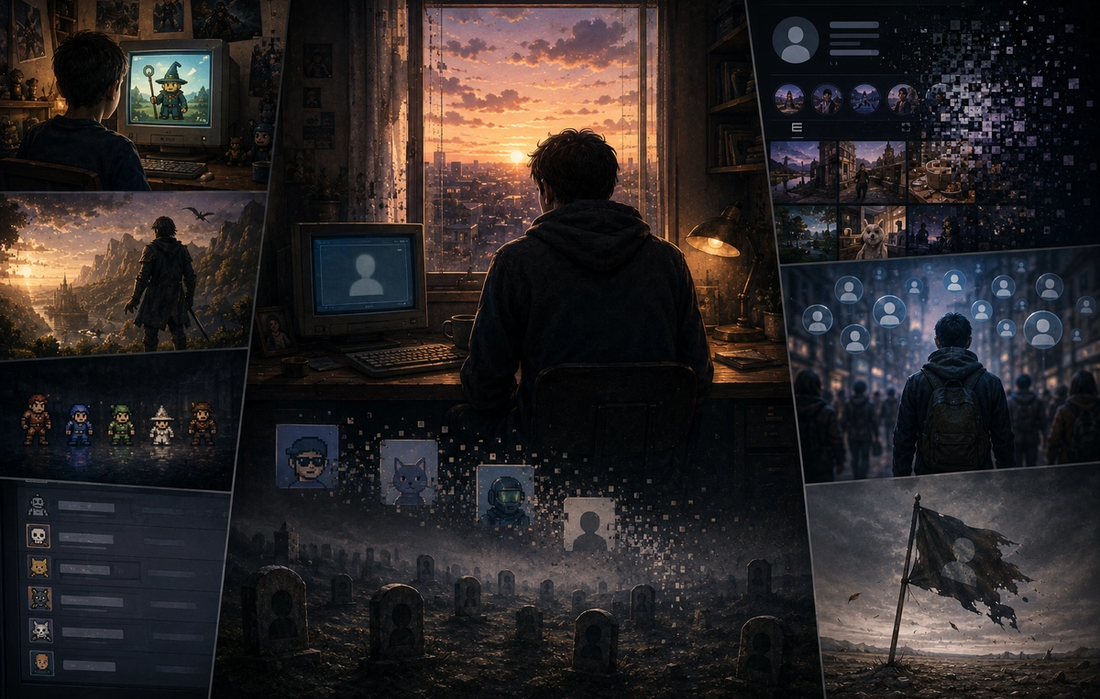
There was a time when internet usernames felt deeply personal.
People spent hours creating them. Some were funny, embarrassing, mysterious, oddly creative, or completely random. Usernames became digital identities that followed people across forums, gaming platforms, chat rooms, and early social media.
For many internet users, a username was not just a login — it was a character.
But slowly, that culture has started fading away.
Today, much of the internet pushes people toward real names, verified identities, professional branding, and algorithm-friendly profiles. The strange, anonymous, and highly personal username culture that once defined online life is quietly disappearing.
Key Takeaways
- Usernames once played a major role in online identity and internet culture
- Early internet spaces encouraged anonymity and creativity
- Modern platforms increasingly prioritize real identities and personal branding
- Social media changed how people present themselves online
- Many users miss the freedom and weirdness of anonymous internet culture
The Early Internet Was Built Around Usernames
In the early internet era, usernames were everywhere.
Forums, multiplayer games, chat rooms, and message boards rarely required real names. Instead, people became known through aliases that reflected humor, hobbies, personalities, or inside jokes.
You might interact daily with people named:
- ShadowNinja92
- PixelWizard
- xDarkAngelx
- BananaDestroyer
And somehow, those names felt normal.
The internet felt more playful because identity itself was flexible. People experimented with personality online in ways that felt less tied to real-world expectations.
Anonymity Made the Internet Feel Different
One reason usernames mattered so much is because anonymity shaped internet culture heavily.
Without real identities attached, people often felt freer to:
- Explore niche interests
- Join communities
- Express opinions
- Experiment creatively
- Interact without social pressure
Online identity became more about personality than appearance, career, or social status.
Of course, anonymity also created problems. Trolling, harassment, and toxic behavior thrived in some spaces. But it also allowed many people to find communities where they genuinely felt comfortable being themselves.
The internet once felt more separate from offline life.
Social Media Changed Online Identity Completely
The rise of Facebook dramatically changed how identity worked online.
Platforms are increasingly encouraged:
- Real names
- Profile photos
- Personal branding
- Public visibility
- Verified identities
The internet slowly shifted away from anonymous usernames and toward real-world identity systems.
Online life stopped feeling like a separate digital space and became closely connected to careers, relationships, reputation, and public image.
In many ways, social media turned the internet into an extension of real life rather than an escape from it.
Usernames Became More About Branding
As influencer culture grew, usernames started changing too.
Instead of weird or playful aliases, many users began choosing names designed to look clean, searchable, and professional. Handles became part of personal branding strategies.
For creators, usernames now function more like business identities than internet alter egos.
Platforms reward recognizability and consistency, which leaves less room for the strange creativity older internet culture encouraged.
The modern internet increasingly values visibility over anonymity.
Gaming Culture Still Keeps Part of It Alive
One place where username culture still survives strongly is in gaming.
Gamertags, online aliases, and multiplayer identities remain central parts of gaming communities. Many players still become known primarily through usernames rather than real names.
Gaming preserved some of the older internet’s playful identity culture because competition, roleplay, and community interaction still thrive around pseudonyms.
But even gaming platforms increasingly connect profiles to real-world social media ecosystems and streaming identities.
The internet overall feels less anonymous than it once did.
People Miss the Freedom of the Old Internet
Part of the nostalgia around usernames is emotional.
Older internet culture allowed people to exist online without constantly tying everything to their real identity. That separation created freedom:
- Freedom to experiment
- Freedom to fail
- Freedom to be weird
- Freedom to participate without personal exposure
Modern internet culture often feels more performative because profiles are tied so closely to real-world identity and public visibility.
Being online now can sometimes feel less like exploration and more like reputation management.
Algorithms Prefer Real Identities
Large platforms also prefer real identities for practical reasons.
Real-name systems help:
- Improve advertising data
- Increase accountability
- Reduce fake accounts
- Encourage platform trust
- Connect user behavior across services
An anonymous internet is harder to monetize and control.
As social platforms became massive businesses, digital identity became increasingly standardized and commercialized.
The quirky username culture of early internet spaces slowly stopped fitting into that system.
The Internet Feels Less Mysterious Now
Usernames contributed to something many people miss: mystery.
Earlier internet interactions often felt detached from offline reality. You knew people through conversations, interests, or humor rather than curated personal profiles.
Today, online identity feels much more transparent and trackable.
In some ways, the internet became safer and more connected to everyday life. But it also lost part of the strange unpredictability that once made online spaces feel exciting.
Usernames May Never Fully Disappear
Despite the shift toward real identities, usernames still hold emotional power online.
People continue using aliases on:
- Discord
- gaming platforms
- niche forums
- creative communities
There is still something appealing about choosing who you want to be online rather than simply importing your real-world identity everywhere.
The quiet death of the username reflects a larger transformation of the internet itself, from a chaotic experimental space into a polished extension of everyday life.
And for many longtime internet users, that change still feels strangely bittersweet.