
Intuitive Machines IM-3 Mission: Pioneering Lunar South Pole Exploration with International Payloads

By Oliver Hawthorne on February 6, 2026
Intuitive Machines IM-3: Next Steps in Commercial Moon Landings
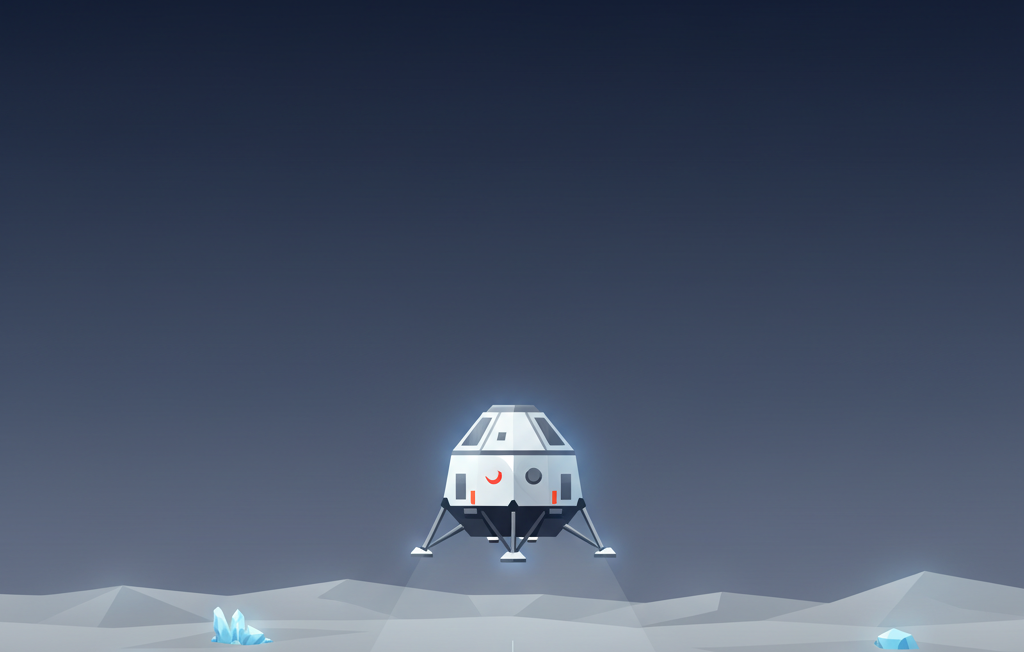
The excitement surrounding lunar exploration is palpable, especially with the upcoming Intuitive Machines IM-3 mission set to make history as the first to land at the lunar South Pole. This mission isn't just about reaching the Moon; it embodies a significant leap forward in the commercial space sector and our understanding of lunar resources. With a diverse array of international payloads and cutting-edge technology, IM-3 is poised to pave the way for future endeavors on the Moon.
Key Takeaways
- The IM-3 mission aims to be the first to land at the lunar South Pole, a region rich in resources.
- A variety of international payloads will be deployed, including autonomous robots and radiation sensors.
- Intuitive Machines collaborates with NASA and other partners to enhance lunar exploration capabilities.
- The mission will test new technologies necessary for sustained human presence on the Moon.
- IM-3 is part of a broader trend in commercial spaceflight, showcasing the shift towards private sector involvement in space exploration.
- Successful landing and data collection could lead to future lunar missions and potential resource utilization.
- The mission emphasizes international collaboration in space, bringing together entities from multiple countries.
The Mission Overview
Intuitive Machines has carved a niche in the space industry with its series of lunar landers. The IM-3 mission, scheduled for launch, aims to land on the Moon's South Pole, a site that has garnered much attention due to its potential water ice reserves. These reserves are crucial for future lunar habitation and could support long-term human missions.
This mission is not just a technological feat; it represents a collaborative effort among various countries and organizations. By carrying payloads from international partners, IM-3 is a testament to the growing trend of global cooperation in space exploration.
Payloads and Partnerships
At the heart of IM-3’s mission are its payloads, which include cutting-edge technologies designed to enhance our understanding of the Moon's environment. Autonomous robots will be deployed to traverse the lunar surface, gathering critical data. Radiation sensors will monitor the Moon’s radiation levels, vital information for future manned missions.
Intuitive Machines has also partnered with NASA and other commercial entities, ensuring that IM-3 leverages shared expertise and resources. This collaboration is essential, as it exemplifies how public-private partnerships can fuel innovation and discovery in space.
Testing New Technologies
The IM-3 mission serves as a testing ground for technologies that will be crucial for future lunar exploration. For instance, the lander's capabilities are being fine-tuned to ensure a safe and precise landing in the challenging terrain of the lunar South Pole. Successful testing of these technologies will not only enhance the IM-3 mission but also lay the groundwork for sustained human presence on the Moon.
Additionally, data collected from this mission will inform subsequent missions, including NASA’s Artemis program, which aims to return humans to the Moon. The knowledge gained from IM-3 could be pivotal in developing habitats and life support systems necessary for long-term lunar colonization.
The Commercial Space Race
IM-3 is part of a broader movement within the commercial space sector. Companies like Intuitive Machines are setting the stage for a new era of exploration, one where private organizations play a significant role in space travel. This shift is changing the dynamics of space exploration, making it more accessible and economically viable.
As more commercial entities enter the market, competition will likely drive innovation and reduce costs, facilitating more frequent missions. The success of IM-3 could inspire even more companies to invest in lunar exploration, leading to a new wave of technological advancements and discoveries.
Looking Ahead
As we anticipate the launch of IM-3, the implications of this mission extend far beyond its immediate objectives. Successful completion could trigger a domino effect, leading to increased interest and investment in lunar exploration. More importantly, it highlights the potential of international collaboration in achieving shared goals in space.
The Moon is not just a destination; it’s a stepping stone for humanity’s ambitions in space. The resources and knowledge gained from missions like IM-3 will be instrumental in preparing for future missions to Mars and beyond.
In conclusion, Intuitive Machines' IM-3 mission is more than a significant milestone in lunar exploration; it's a harbinger of a new era in space travel. As the world watches, the success of this mission could redefine our relationship with the Moon and inspire a generation to reach for the stars. The countdown has begun, and the future of lunar exploration is bright.